Thinking about buying a vacation rental on St. George Island? It is easy to see the appeal. This barrier island offers a quieter beach experience with strong interest from travelers who come for the shoreline, paddling, fishing, birding, and state park access. If you are considering a purchase here, you need more than beach-house excitement. You need a clear view of what tends to rent, when demand rises and falls, and what rules affect ownership. Let’s dive in.
Why St. George Island Draws Rental Buyers
St. George Island is a 22-mile barrier island in Franklin County, reached by a 4-mile bridge from Eastpoint. It is known more for its natural setting and relaxed pace than for a dense commercial strip. That matters if you are buying with vacation rental goals in mind, because the guest appeal here is tied to the beach and outdoor recreation.
Visitors are typically drawn by the same things that attract second-home buyers in the first place: wide beaches, state park access, paddling, fishing, and a quieter Forgotten Coast feel. For you as a buyer, that means the island's rental appeal is real, but it is also tied closely to season, weather, and the type of experience your property offers.
What Property Types Fit Rental Demand
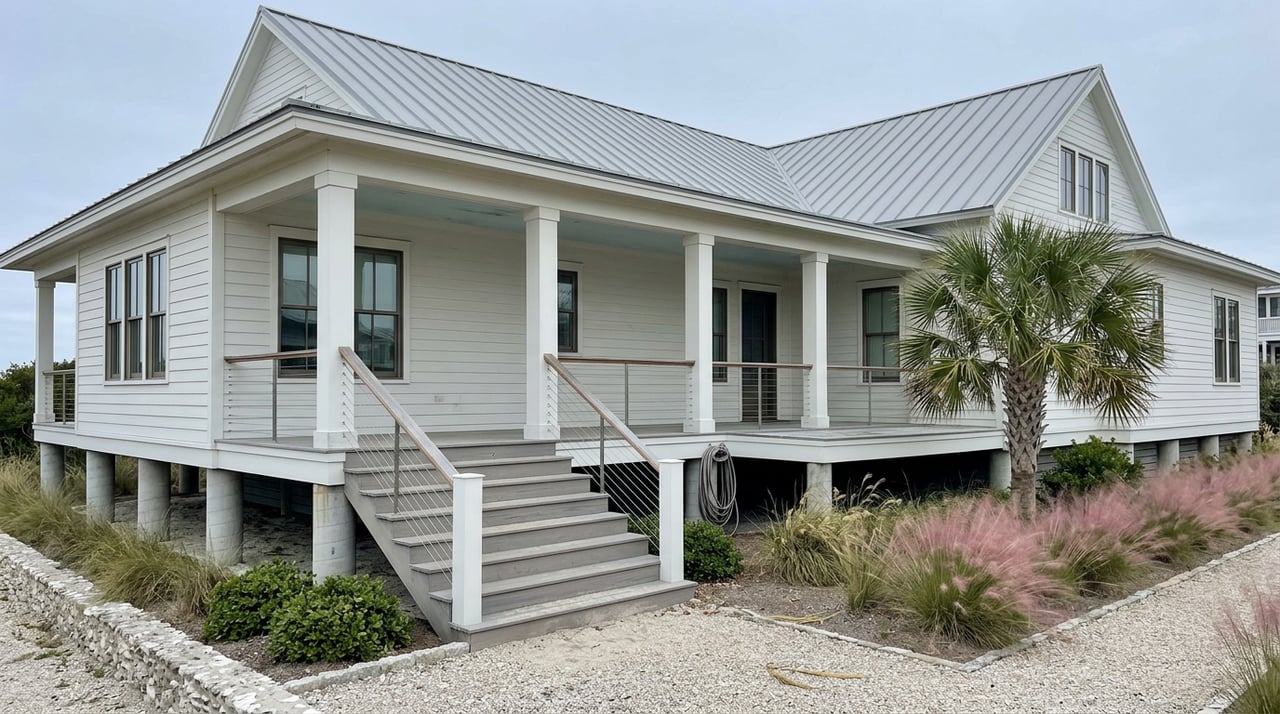
If you want a vacation rental that matches the current market profile, larger whole-home properties stand out. Florida law allows vacation rentals to include condos, cooperative units, and individually or collectively owned single-family to four-family dwellings used as transient lodging. In practice, though, current St. George Island short-term rental data points heavily toward whole-home inventory.
According to current market data, 94.7% of active short-term rental listings are entire homes or apartments, and 84.9% are houses. The same dataset shows 76.3% of listings have three or more bedrooms, and 65.1% can host eight or more guests. That suggests many travelers are booking family-size beach homes rather than smaller one-room setups.
Why larger homes often stand out
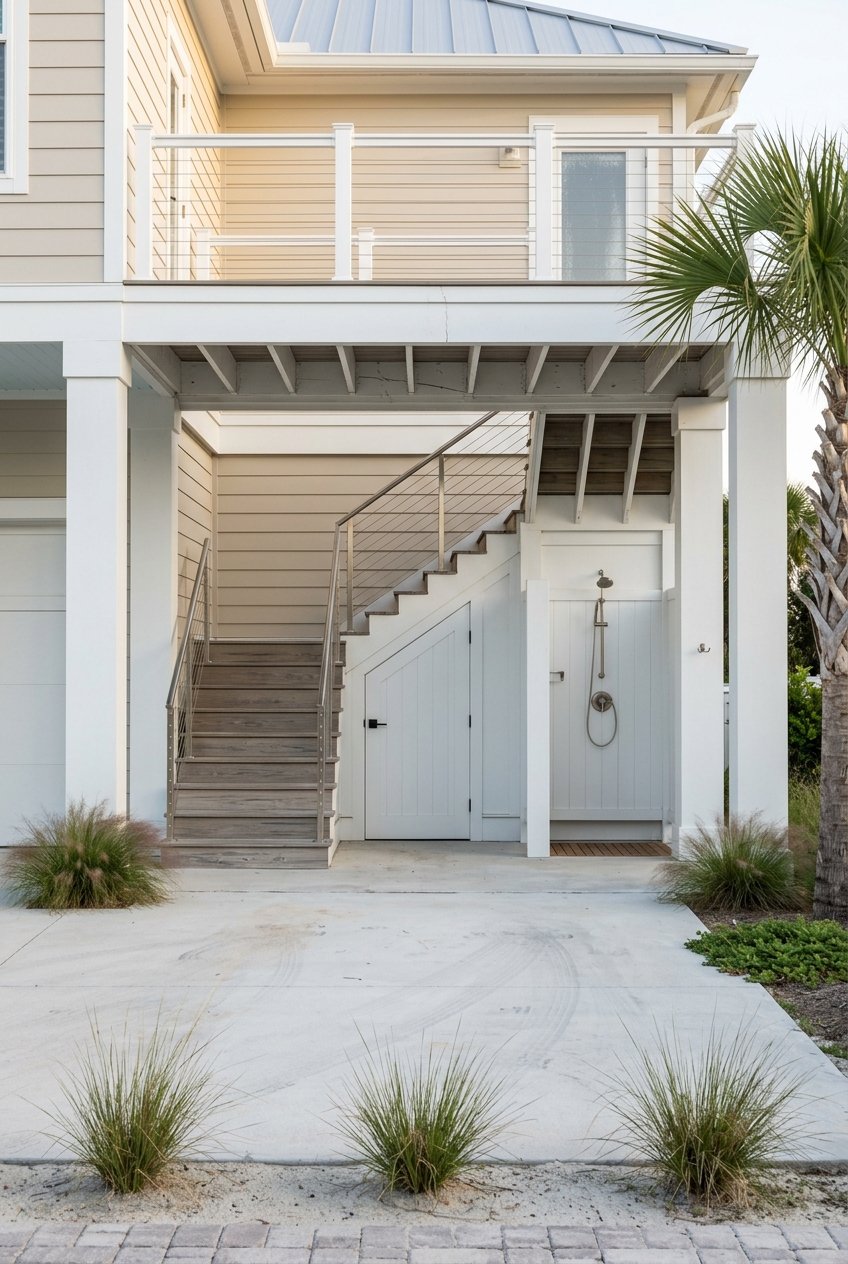
A larger home can better match the guest profile already active on the island. Many current listings are set up for group travel, which often means multiple bedrooms, more guest capacity, and amenities that support longer beach stays.
Examples in current listing data often include features such as pools, hot tubs, and sometimes elevators. That does not guarantee performance for any one property, but it does help show what many renters are shopping for in this market.
Are condos still worth considering?
They can be, but you should review the details carefully. Condo and townhome options may exist, and some buyers prefer them for lower maintenance or a simpler ownership setup.
Before you buy, review condo documents, deed restrictions, insurance requirements, and any rental rules that may affect how you plan to use the property. If you are buying from out of state, this step matters even more because you want clear expectations before closing.
Seasonality Matters More Than Many Buyers Expect
One of the biggest mistakes vacation rental buyers can make is assuming demand stays steady all year. On St. George Island, current market and climate data point to a more seasonal pattern.
Current short-term rental data shows average occupancy of 41.0% and an average stay of about 5.1 nights. Peak revenue is reported in June, while January, November, and December are among the softest months. Visit Florida also notes that spring and fall are especially popular, summer draws strong visitor interest, and winter is quieter.
What that means for your numbers
If you are estimating carrying costs and expected income, it is smart to underwrite conservatively. A property here should not be treated like it will book evenly every month of the year.
This is especially important if you are balancing mortgage costs, insurance, maintenance, and management expenses. A realistic plan leaves room for slower months rather than relying on full calendars.
Climate helps explain the pattern
Nearby climate normals from the Apalachicola Airport station show average highs rising from 63.7°F in January to 89.7°F in July, with rainfall highest in August. That Gulf Coast pattern helps explain why demand tends to be stronger in warmer travel seasons and less consistent in quieter parts of the year.
For buyers, that seasonal rhythm is not a problem by itself. It simply means your purchase decision should be grounded in realistic expectations rather than broad assumptions about beach rental demand.
Storm Season Should Be Part of Your Plan
Weather risk is part of owning coastal property, and it should be part of your vacation rental thinking from the start. NOAA states that the Atlantic hurricane season runs from June 1 through November 30.
Those months can overlap with strong visitor demand, which means the same season that may support higher booking activity can also bring interruption risk. If you are comparing properties, it is wise to think through storm preparation, access, repair coordination, and how quickly issues can be addressed if you live out of town.
Ask practical questions before you buy
When you evaluate a property, consider asking:
- Who handles storm preparation if you are not local?
- How are post-storm inspections and vendor visits coordinated?
- What maintenance systems are already in place?
- What insurance requirements apply to the property type?
For property-specific insurance and coverage questions, it is best to speak with a licensed insurance professional.
Florida Rules Buyers Should Know
If you plan to use a St. George Island home as a vacation rental, Florida licensing rules matter. Under state rules, a vacation rental or timeshare-project license is required for public lodging establishments.
The DBPR application materials also note that applicants need a Florida sales tax number or proof of exemption. They define a licensed agent as the management company operator authorized by the owner to hold out the dwelling for transient rent.
How Florida defines transient rental use
Florida treats a property as transient public lodging if it is rented more than three times in a calendar year for fewer than 30 consecutive days, or if it is advertised as regularly rented for short stays. That is an important threshold for buyers who may plan to rent only part of the year.
The practical takeaway is simple: if short stays are part of your plan, you should understand the state licensing framework before closing.
Franklin County tax context
Franklin County's tourist development tax is currently 3.0%, collected by the Florida Department of Revenue. The Florida Department of Revenue also states that transient rentals are subject to the 6% state sales tax, any applicable discretionary sales surtax, and local transient rental taxes.
Franklin County's website states that it does not currently issue business tax receipts for short-term rentals. As always, for property-specific tax questions, you should consult a licensed CPA.
Why Local Management Often Makes Sense
For absentee owners and second-home buyers, local management is often more than a convenience. It can be a key part of keeping the property running smoothly.
State application materials reference the role of a licensed agent or management company operator in holding out the dwelling for transient rent. In practical terms, that makes local management an important part of operations for many owners, especially if you do not live nearby.
What to ask a manager
Before you commit to a property, ask who will manage it and how they work. Focus on details such as:
- Management fees
- Guest communication
- Cleaning coordination
- Maintenance response
- Vendor access
- Storm preparation and follow-up
- Support for licensing and tax organization
A good rental setup depends on more than the house itself. It also depends on whether the day-to-day systems are realistic for your situation.
A Smart Buyer Checklist for St. George Island
If you are narrowing your options, keep your due diligence focused on the issues most likely to affect ownership and rental use.
Focus on these five areas
- Match the property to current demand, which currently leans toward whole-home, family-size houses with multiple bedrooms.
- Review occupancy assumptions carefully and plan for seasonal swings.
- Ask how storm response will be handled if you are out of town.
- Confirm any condo rules, deed restrictions, or insurance requirements before closing.
- Understand who will manage the property and how the rental operation will function.
Buying a vacation rental on St. George Island can be an exciting move, but the best decisions usually come from a calm, numbers-aware approach. When you understand the local rental pattern, the state rules, and the operational side of ownership, you are in a much better position to buy with confidence.
If you are exploring St. George Island vacation rentals for buyers and want grounded local guidance, Coastal Realty Group can help you evaluate properties, compare options, and navigate the process with clarity.
FAQs
What types of St. George Island properties work best as vacation rentals?
- Current short-term rental data suggests the market is dominated by whole-home properties, especially houses with three or more bedrooms and larger guest capacity.
What is the typical occupancy pattern for St. George Island vacation rentals?
- Current data reports average occupancy around 41.0%, with peak revenue in June and softer months in January, November, and December.
What Florida rules apply to a St. George Island vacation rental buyer?
- Florida requires a vacation-rental or timeshare-project license for public lodging establishments, and transient rental use can trigger additional licensing and tax responsibilities.
What taxes should a St. George Island vacation rental owner expect?
- Transient rentals are subject to Florida state sales tax, any applicable discretionary sales surtax, and Franklin County's current 3.0% tourist development tax. For tax advice, speak with a licensed CPA.
Why should an out-of-state buyer consider local management on St. George Island?
- Local management can help with guest communication, cleanings, maintenance, vendor coordination, storm response, and staying organized with licensing-related operations.