If your Port St. Joe home is about to hit the market, the right prep can make a real difference. In a coastal market where buyers pay close attention to condition, flood details, and presentation, small oversights can turn into bigger negotiation points later. This guide will help you focus on what matters most so you can prepare your home with confidence and bring it to market in a stronger position. Let’s dive in.
Start With Port St. Joe Realities
Selling in Port St. Joe is not the same as selling in an inland market. Flood exposure, wind, humidity, and salt air all shape how buyers view condition and future costs. That means your prep plan should go beyond cosmetic touch-ups.
Market conditions matter too. Realtor.com currently classifies Port St. Joe as a buyer’s market, with median days on market around 63 and homes selling about 4.87% below asking on average in March 2026. In this kind of market, thoughtful pricing and clean presentation carry extra weight.
Confirm Flood Information Early
For many Port St. Joe sellers, flood information is one of the first things to organize. Gulf County notes that standard homeowners insurance does not cover flood damage, and flood insurance typically has a 30-day waiting period. Buyers often want clarity on flood zones, prior claims, and existing documents before they feel ready to move forward.
Gulf County also says homeowners should use FEMA maps for current flood-zone information because the county property appraiser’s online flood layer is still preliminary and has not received final FEMA approval. FEMA’s Flood Map Service Center is the official source for flood hazard maps. If your property has an elevation certificate, Gulf County may have a copy on file.
Before your listing goes live, gather:
- Current FEMA flood-zone information
- Any prior flood claims
- Any record of federal flood assistance
- Your elevation certificate, if one exists
Florida law requires a flood disclosure at or before contract execution. Getting these details together early helps you avoid a last-minute scramble.
Order Smart Pre-List Inspections
A pre-sale inspection is optional, but it can be very useful in a coastal market. NAR notes that a pre-sale inspection may identify issues with the structure, exterior, roof, plumbing, electrical systems, HVAC, interiors, ventilation, and insulation. It may also surface concerns such as mold, radon, lead paint, or asbestos.
You do not have to fix everything an inspector finds. Still, if a major issue comes up, NAR recommends pricing out the work even if you do not plan to complete it before listing. Buyers often build those repair costs into their offers and negotiations.
In Port St. Joe, the issues most likely to matter are often the ones buyers expect to see in an inspection or insurance review. That usually includes:
- Roof wear or visible aging
- Flashing or gutter problems
- Window and door sealing issues
- Signs of water intrusion
- HVAC concerns
- Plumbing defects
- Electrical issues
For older homes, or homes that may need new insurance coverage after the sale, a four-point inspection can also be valuable. In Florida, that inspection focuses on the roof, electrical, plumbing, and HVAC systems. Florida insurance regulators also note that a wind-mitigation inspection may support premium savings when completed by a qualified inspector.
Check Permit Needs Before Repairs
Before you tackle exterior work, check with the City of Port St. Joe Building Department. The city says property owners should contact the department before any clearing, excavation, or building. Residential plans are reviewed within five working days after approval steps are complete.
That matters because some updates that seem simple can still have permit implications. FEMA also advises owners to contact their community’s floodplain administrator before making changes so they understand local building and permitting requirements.
If you are planning repairs before listing, a practical order is:
- Confirm flood and insurance basics
- Order inspections
- Price out major repairs
- Verify permit needs
- Complete approved work
- Move on to cleaning, staging, and photos
Focus Repairs Where Buyers Notice Most
You do not need a full remodel to improve your position in the market. NAR notes that sellers are not required to make cosmetic updates, but cleaning and decluttering can improve buyer perception. In Port St. Joe, the most effective repair strategy is often to handle the items most likely to raise concerns during inspections and showings.
UF/IFAS points out that Florida humidity and heavy rains can force water inside if exterior defects exist. It recommends checking the roof, gutters, flashing, cracks, caulk, and weatherstripping, especially before a home sits vacant.
A strong seller-prep checklist often includes:
- Repair loose or damaged flashing
- Clean and confirm gutter function
- Re-caulk around windows and doors where needed
- Replace worn weatherstripping
- Address visible stains or signs of moisture
- Service HVAC if it has not been maintained recently
- Fix noticeable plumbing or electrical issues
These are not flashy upgrades, but they can reduce buyer hesitation and help your home show as well cared for.
Refresh Curb Appeal for a Coastal Home
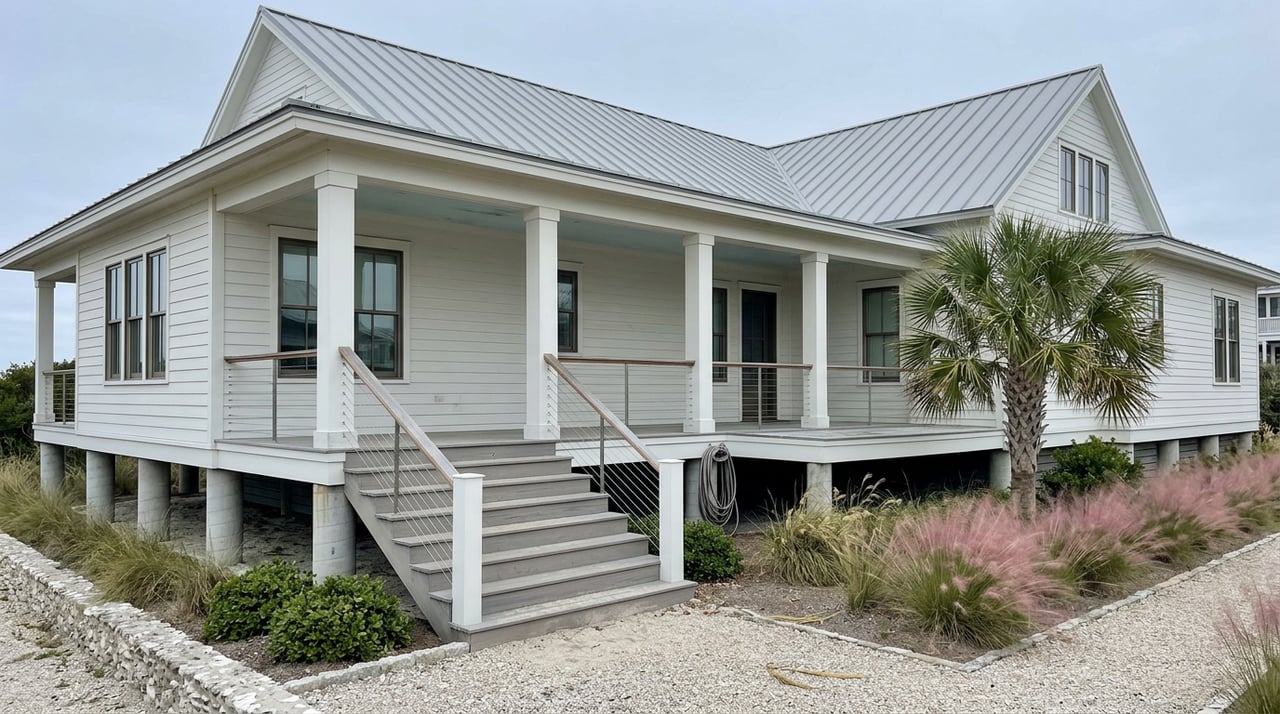
First impressions start before a buyer reaches the front door. In online photos and in-person showings, the exterior should feel clean, maintained, and easy to care for. That is especially true in Port St. Joe, where salt air and coastal weather can wear on finishes and landscaping.
NAR recommends basic presentation steps like cleaning windows, walls, carpets, and light fixtures, along with improving curb appeal. For landscaping, UF/IFAS recommends salt-tolerant plants for coastal sites because salt spray and wind can damage plants that are not suited to the environment.
For a listing, the goal is usually not elaborate landscaping. It is a tidy, healthy, lower-maintenance look. Coastal-appropriate choices noted by UF/IFAS include sea oats, dune sunflower, coontie, red cedar, and beautyberry.
Stage the Rooms That Sell the Story
Staging does not have to mean a full redesign. Often, it means editing the space so buyers can quickly understand the home in photos and during showings. NAR’s 2025 staging report found that 29% of agents said staging increased dollar value offered by 1% to 10%, and 49% said it reduced time on market.
The most common seller recommendations were decluttering, deep cleaning, and curb appeal. The rooms most often staged were the living room, primary bedroom, dining room, and kitchen.
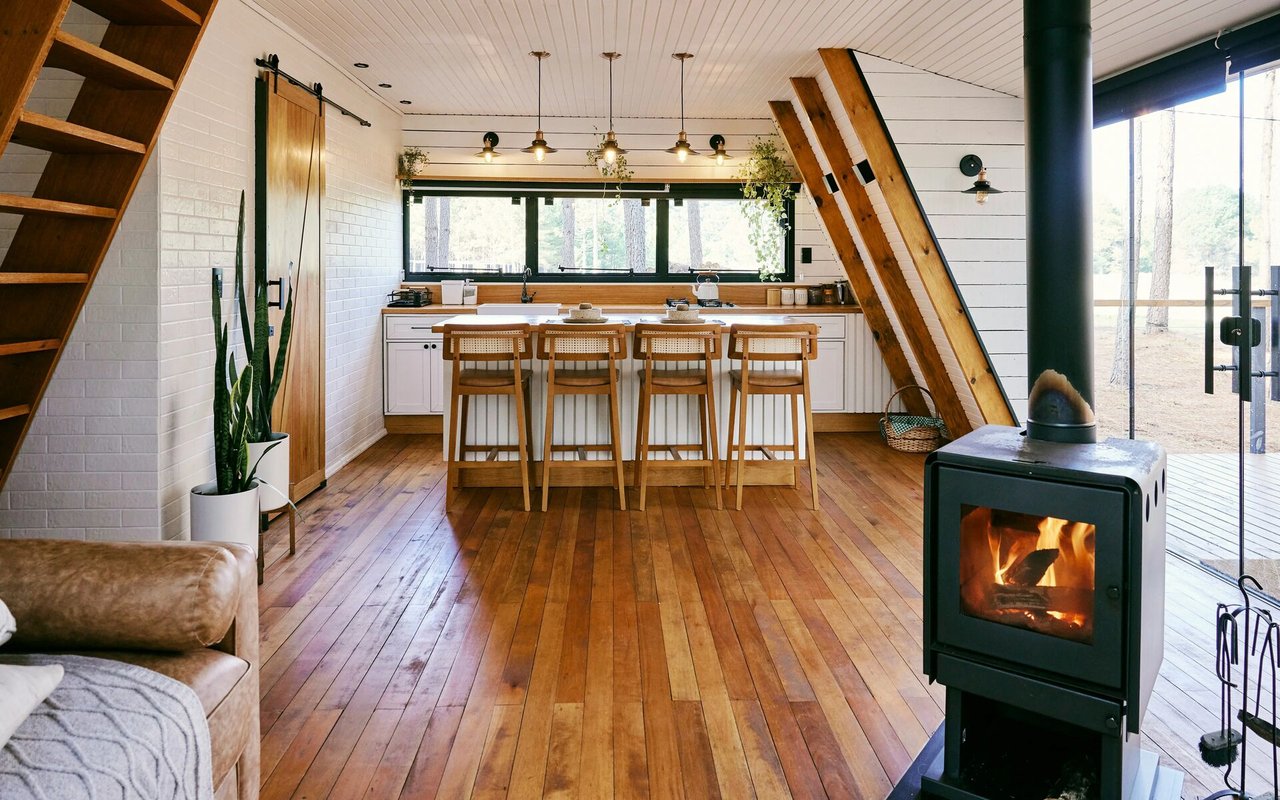
For Port St. Joe sellers, the highest-impact spaces usually include:
- Main living area
- Kitchen
- Primary bedroom
- Entry
- Outdoor living areas
That last one matters in a coastal market. If you have a porch, patio, balcony, or other outdoor space, make sure it feels intentional and inviting. Buyers are often responding not just to square footage, but to how the home supports coastal living.
Prioritize Professional Photos
Your first showing usually happens online. NAR’s 2025 buyer-seller highlights say all home buyers used the internet in their home search, and 43% started by looking online. That makes listing photos one of the most important parts of your launch.
A clean, bright, professionally photographed home has a better chance of stopping buyers mid-scroll. NAR also reports that buyers’ agents rated listing photos, traditional staging, videos, and virtual tours as highly important.
Before photos, make sure you:
- Remove clutter from counters and tables
- Open blinds and curtains where appropriate
- Replace burned-out light bulbs
- Hide personal items and excess decor
- Clean windows and reflective surfaces
- Freshen outdoor seating areas
In a buyer’s market, strong visuals help your home compete from day one.
Plan Ahead If You Sell From Out of Town
Many Port St. Joe sellers are absentee owners or second-home owners. If that is your situation, preparation needs to include logistics as well as appearance. UF/IFAS guidance for seasonal homes recommends starting prep about three weeks before departure and focusing on moisture control, safety, and regular check-ins.
That can include servicing the air conditioner, keeping the home dry, closing drains and toilets to reduce moisture and sewer gas, turning off water at the meter if it will not be used, and arranging occasional property checks. UF/IFAS also recommends stopping mail and newspapers, using timers for lights, and maintaining the exterior so the home looks occupied.
This kind of planning matters because a vacant coastal home can develop issues quickly if moisture or maintenance slips. A simple system for check-ins can help protect the condition you worked hard to create before listing.
Gather Documents Before You List
A smooth sale often depends on paperwork being ready before a buyer asks for it. NAR recommends locating warranties and manuals before closing so missing documents do not slow the transaction later. In Port St. Joe, having your records together early can also help answer buyer questions faster.
Try to gather:
- Repair receipts
- Permits
- Warranties and guarantees
- Appliance manuals
- Survey records
- Flood documents
- Elevation certificate, if available
- Four-point inspection report, if available
- Wind-mitigation report, if available
If you are selling a condo or townhome, order association paperwork early. Under Florida law, buyers receive documents such as the declaration, articles of incorporation, bylaws, rules, annual financial statement, and annual budget. Association estoppel certificates generally must be issued within 10 business days of request, but it is still wise to get ahead of this step.
A Simple Market-Ready Timeline
If you want a practical roadmap, keep it simple and follow the sequence that fits this market best. In Port St. Joe, the smartest prep plan is usually the one that reduces surprises first and sharpens presentation second.
Here is a useful order of operations:
- Confirm flood-zone and insurance basics
- Gather flood documents and prior records
- Order inspections
- Price out major repairs
- Check permit requirements
- Complete key repairs
- Declutter and deep clean
- Refresh curb appeal
- Stage main rooms and outdoor spaces
- Photograph and launch
That process helps you enter the market with fewer unknowns and a stronger first impression.
If you are getting ready to sell in Port St. Joe, the best results usually come from local pricing insight, practical coastal prep, and a clear plan from day one. Coastal Realty Group helps sellers across the Forgotten Coast navigate pricing, preparation, marketing, and closing with steady, local guidance.
FAQs
What repairs matter most before listing a Port St. Joe home?
- The most important repairs are usually the ones likely to raise concerns during a buyer inspection or insurance review, such as roof wear, flashing, gutters, water intrusion, window and door sealing, HVAC, plumbing, and electrical issues.
What flood documents should Port St. Joe sellers gather before listing?
- You should gather current FEMA flood-zone information, any prior flood claims, any record of federal flood assistance, and an elevation certificate if one exists.
Do Port St. Joe sellers need a pre-list inspection?
- A pre-list inspection is optional, but it can help you identify issues early in the structure, roof, systems, and interior so you can repair them or prepare for negotiations.
Should you check permits before updating a Port St. Joe property?
- Yes. The City of Port St. Joe says owners should contact the Building Department before clearing, excavation, or building, and coastal sellers should confirm permit implications before starting exterior work.
How important are staging and photos for a Port St. Joe listing?
- They are very important because buyers often shop online first, and clean, staged spaces with professional photos can improve first impressions and help reduce time on market.
What should absentee owners do before listing a Port St. Joe home?
- Absentee owners should plan for moisture control, HVAC service, water shutoff if appropriate, mail stoppage, timed lighting, exterior upkeep, and regular property check-ins so the home stays in showing condition.