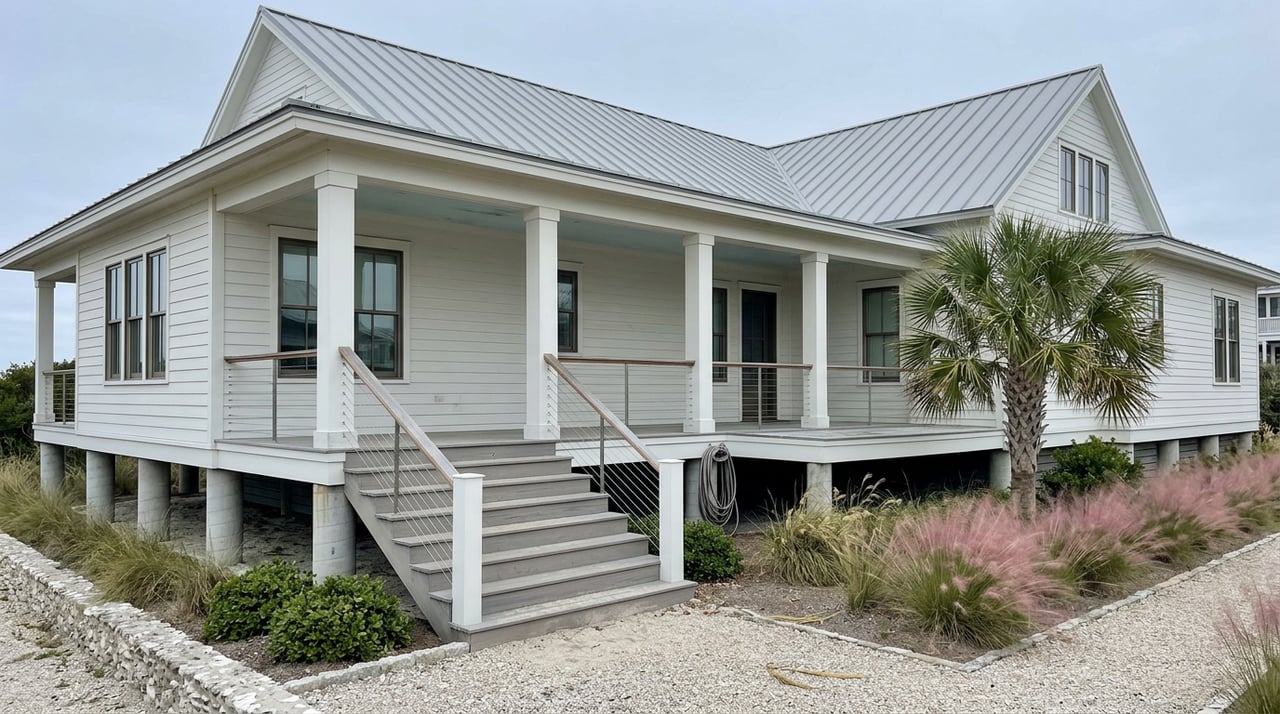
Dreaming about waking up to Gulf views or launching a kayak from your backyard on Cape San Blas? Waterfront property here can deliver a very specific kind of coastal lifestyle, but it also comes with questions you do not want to answer after you are under contract. If you are buying a beachfront home, bay-front retreat, condo, or vacant lot in the 32456 area, understanding access, flood risk, insurance, and buildability can help you make a smarter decision. Let’s dive in.
Why Cape San Blas Waterfront Is Different
Cape San Blas is a narrow stretch of land extending from Port St. Joe and curving around St. Joseph Bay. According to Gulf County tourism, the area offers quick access to both Gulf beaches and bay waters, with places like Salinas Park and the William J. "Billy Joe" Rish Recreation Area connecting visitors and owners to both sides of the peninsula.
That geography matters when you start your search. A Gulf-front property and a bay-front property may be only minutes apart, but they often support very different day-to-day use. Gulf-side buyers may focus on direct beach frontage and wide water views, while bay-side buyers may prioritize calmer water for kayaking, paddleboarding, fishing, and scalloping on St. Joseph Bay.
Choose the Waterfront Lifestyle You Want
Before you compare listings, it helps to define how you want to use the property. Your ideal fit may depend less on square footage and more on what kind of waterfront access actually supports your plans.
Gulf-front priorities
If you picture long beach days, open-water views, and direct shoreline access, Gulf-front property may be your best fit. These homes and lots are often evaluated around frontage, view corridors, and how easily you can get from the house to the beach.
Buyers should also keep coastal rules in mind. For some seaward parcels, future work like decks, dune walkovers, stairs, additions, or reconstruction may be affected by Florida’s Coastal Construction Control Line program, which regulates certain work that could impact dunes, erosion, or public access.
Bay-front priorities
If you want calmer water and easy access for paddling or fishing, bay-front property may make more sense. On Cape San Blas, bay-side homes can appeal to buyers who value a quieter waterfront experience and direct use of St. Joseph Bay.
This side of the market can still require serious due diligence. You will want to confirm parcel boundaries, water access, flood-zone details, and whether the property lines up with the way you plan to use it.
Check Access Before You Fall in Love
One of the biggest waterfront buying mistakes is assuming access works the way a listing photo suggests. On Cape San Blas, public infrastructure and recorded access can make a real difference in daily convenience and long-term enjoyment.
Gulf County says it maintains about 20 public beach access points, nearly 20 boat launches, and roughly 30 miles of beaches through its Tourist Development Council resources. Buyers can also review local maps for beach access and boat ramps to see how a property relates to nearby launch points and shoreline entry.
Ask These Access Questions
- Is the waterfront access deeded, recorded, or shared?
- How close is the nearest public beach access or boat ramp?
- Does the location support the way you plan to use the property most often?
- If guests will use the property, will access be simple and realistic for them?
These questions are especially important if you are buying a second home or vacation property from out of town.
Understand Beach Rules and Daily Use
Cape San Blas ownership is not just about the view. It is also about how the beach operates day to day.
According to Gulf County beach safety information, public beaches in the area do not have lifeguards. The local beach-flag system on Cape San Blas and Indian Pass is updated daily by local volunteers and South Gulf Fire Rescue, which is worth knowing if you plan to host family or guests.
Beach driving is another issue buyers should verify early. Gulf County says a permit is required, the permit is issued through the Tax Collector, the speed limit is 15 mph, and driving is limited to designated stretches that include parts of Cape San Blas and nearby areas. If drive-on access matters to you, confirm the exact rules before assuming a specific property allows it.
If pets are part of your plans, Gulf County’s pet-friendly beach guidance says pets are allowed on most county beaches, but not in St. Joseph Peninsula State Park, the Billy Joe Rish Recreation Area, or Eglin property on the elbow of Cape San Blas. Leashes are required.
Start Flood and Insurance Research Early
On Cape San Blas, flood risk is not a side issue. It is one of the main parts of buying waterfront property.
FEMA explains that Flood Insurance Rate Maps identify Special Flood Hazard Areas, and Zone VE is considered a coastal high-hazard area where wave action and fast-moving water can cause extensive damage during a base flood event. FEMA also notes that federally regulated or government-backed lenders require flood insurance for properties in high-risk flood areas, and NFIP coverage typically has a 30-day waiting period before it takes effect.
Florida’s Office of Insurance Regulation reinforces another key point: homeowners insurance generally does not cover flooding. Flood coverage is usually purchased separately or added through a different product structure, depending on the policy.
What to verify early
- The property’s exact flood zone
- Whether it sits in a Special Flood Hazard Area
- Whether it may fall in a coastal high-hazard area like Zone VE
- Whether an elevation certificate is available
- What flood insurance may cost and when coverage can begin
Gulf County’s flood protection resources can help you review flood maps, elevation certificates, historical flooding, and property protection ideas. This is a smart step before you settle on a budget or offer strategy.
Use Parcel-Level Tools for Due Diligence
Generic neighborhood advice is not enough when you are buying waterfront property. On Cape San Blas, parcel-level details often matter more than broad market descriptions.
Gulf County’s interactive GIS map shows parcels, addresses, streets, flood zones, evacuation zones, evacuation routes, and other public-interest data. That makes it one of the best starting points for confirming whether a property is on the Gulf side, the bay side, or near an access corridor.
This step is especially important when you are comparing vacant lots, older homes, or properties with unusual access patterns. A quick map review can help you avoid assumptions about location, risk, or usability.
Buying a Waterfront Lot? Verify Buildability
Vacant waterfront land can be exciting, but it needs more verification than many buyers expect. The view may be easy to see, but the path to building is often less obvious.
Gulf County’s Building Department says the county uses the Florida Building Code 2023, 8th edition. The same page notes that as of January 1, 2025, septic permits are no longer issued by the county environmental health department, and applications now go through the FDEP portal. Landowners are responsible for confirming that an application meets Gulf County ordinance and density requirements before submitting.
Waterfront Lot Checklist
- Confirm current zoning and parcel details
- Verify flood zone and evacuation context
- Ask whether county water is available
- Confirm whether the lot uses septic and what the approval path is
- Make sure your intended building concept fits local requirements
- Ask whether coastal permitting could affect future design or improvements
For water service questions, Gulf County’s Water Department provides information on new service requests, billing, and emergency notices. That matters for lots and older homes because utility setup can affect both timing and cost.
Review HOA and Condo Documents Carefully
If you are buying a condo or a home in an HOA, your due diligence should go beyond the property itself. Rules, budgets, minutes, and records often reveal restrictions or upcoming costs that are not obvious during a showing.
The Florida Department of Business and Professional Regulation says condominium records include items such as plans, permits, warranties, declarations, bylaws, rules, minutes, ownership rosters, and financial records. DBPR also notes that HOA management contracts must be available to members on request and included in official records. You can review these requirements through the DBPR condominium and association FAQs.
Documents to Request
- Declaration and bylaws
- Rules and use restrictions
- Recent budgets and financial records
- Recent meeting minutes
- Management agreements, if applicable
This review can help you understand rental rules, maintenance obligations, governance issues, and possible future expenses before your offer becomes firm.
Think Through Rental Use and Taxes
Many buyers consider Cape San Blas for second-home use, part-time occupancy, or investment income. If rental use is part of your plan, make sure the numbers and the rules both work.
Gulf County states that overnight stays of six months or less are subject to the county’s 5% Tourist Development Tax, and the county maintains a short-term rental business license portal through its tourism resources. You can review the local short-term rental licensing information through Visit Gulf’s STR license page.
That means rental potential should be evaluated with local compliance in mind, not just expected nightly rates. A property that looks strong on paper may still need licensing, tax planning, and association review before it fits your goals.
Smart Questions Before You Make an Offer
When you buy waterfront property on Cape San Blas, the goal is not just to buy something beautiful. The goal is to buy something you can realistically use, insure, maintain, and improve the way you expect.
Before you move forward, ask:
- What is the exact flood zone for this parcel?
- Is flood insurance likely to be required, and what will it cost?
- Is the property affected by the Coastal Construction Control Line?
- What beach, bay, or boat access is deeded or nearby?
- Are there HOA or condo rules that affect rentals, pets, or exterior changes?
- If it is a lot, are water, septic, and permitting paths clearly confirmed?
A waterfront purchase on Cape San Blas can be a great fit when the property matches your lifestyle and your due diligence is just as strong as your excitement. If you want a local guide to help you evaluate Gulf-front homes, bay-front property, condos, or lots in 32456, connect with Coastal Realty Group for practical, local insight and responsive support.
FAQs
What Should You Check Before Buying Waterfront Property on Cape San Blas?
- Review the parcel’s flood zone, access, insurance options, utility setup, permitting issues, and any HOA or condo documents before making an offer.
Is Flood Insurance Required for Cape San Blas Waterfront Homes?
- It may be required if the property is in a high-risk flood area and the loan is federally regulated or government-backed, so it is smart to get quotes early.
What Is the Difference Between Gulf-Front and Bay-Front Property on Cape San Blas?
- Gulf-front property is often chosen for direct beach frontage and open-water views, while bay-front property may appeal more to buyers who want calmer-water access for activities like kayaking, fishing, and paddleboarding.
Can You Use a Cape San Blas Waterfront Home as A Short-Term Rental?
- That depends on local licensing, tax obligations, and any association rules, so you should confirm the county requirements and property-specific restrictions before you buy.
What Tools Help You Research a Cape San Blas Waterfront Parcel?
- Gulf County’s GIS map is a strong starting point because it shows parcels, flood zones, evacuation zones, streets, and other public-interest data that can affect your decision.