If you are drawn to places with real character, Apalachicola is hard to ignore. This is a town where historic homes, working waterfront views, and walkable streets come together in a way that feels authentic rather than staged. If you are thinking about buying or selling here, it helps to understand how the city’s past still shapes daily life and property appeal today. Let’s dive in.
Why Apalachicola feels different
Apalachicola’s historic core was laid out in the 1830s, and that early street grid still defines much of the city today. Town squares, older residential streets, and the waterfront all work together to create a setting that feels connected to its roots.
That history is not a small detail. The historic district includes more than 900 historic homes, buildings, and sites, which gives Apalachicola a depth and visual variety that many coastal towns simply do not have.
What historic homes look like here
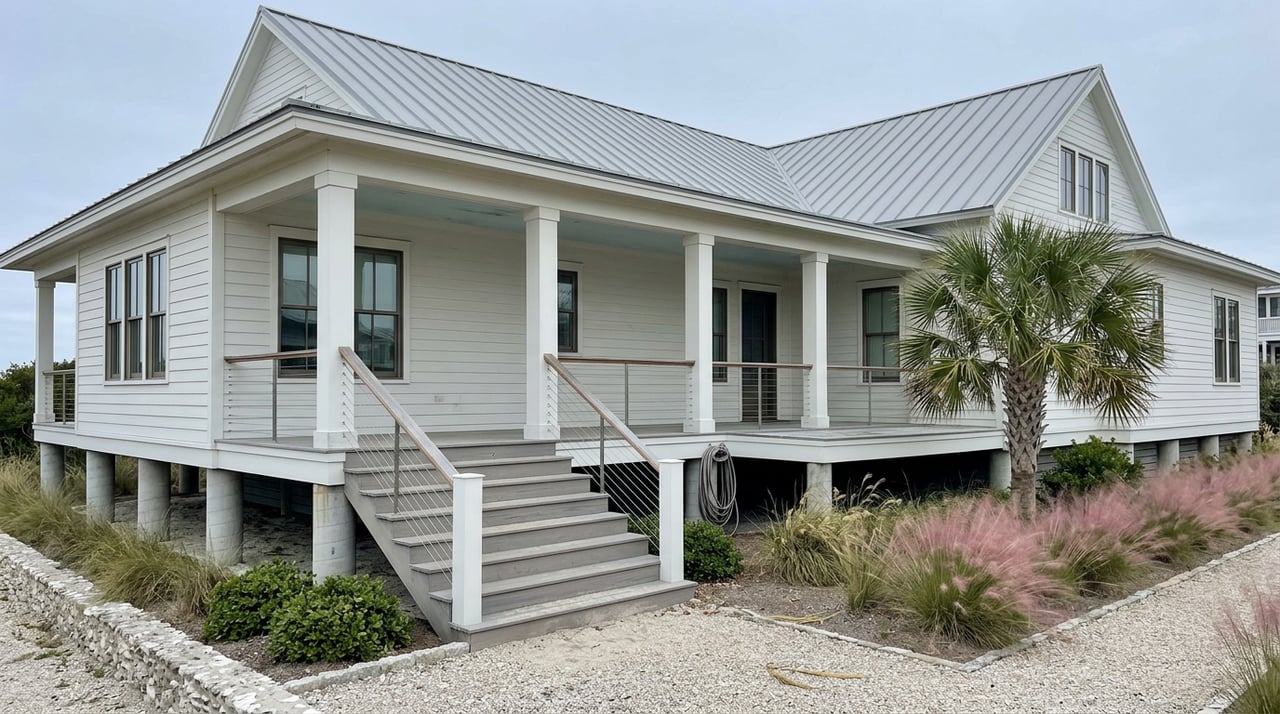
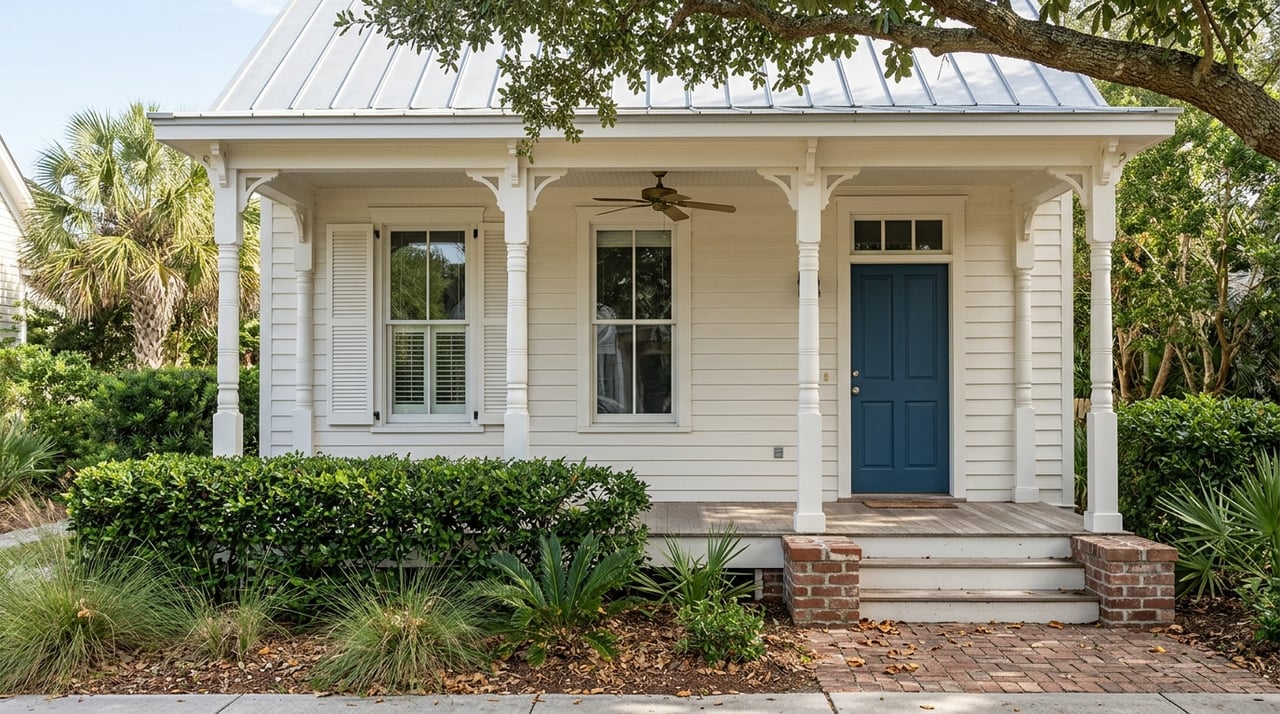
One of the most appealing things about Apalachicola is that its housing stock is not one-note. Instead of a single style repeated over and over, you will find modest frame cottages and shotgun houses alongside larger Greek Revival, Queen Anne, Colonial Revival, and other late 19th- and early 20th-century homes.
If you love Victorian-era charm, Apalachicola offers strong examples through its Queen Anne and Colonial Revival homes. Features can include corner towers, shingle siding, screened verandahs, and ornamental wood detailing that give these properties a distinctive look.
The most residential section of the historic district sits west of Market Street. The highest concentration of pre-1860 buildings is found along Fifth and Sixth Streets, while later historic development appears around Bay Avenue, Avenues B through E, Market Street, and Commerce Street.
Historic landmarks add context
Part of what makes Apalachicola special is that the town’s history is visible in everyday life. Historic anchors like the 1838 Orman House and the John Gorrie Museum help explain why the area feels layered and lived-in.
The Orman House, described by Florida State Parks as a Federal and Greek Revival antebellum home overlooking the river, reflects the city’s early port-era growth. Landmarks like these do more than attract visitors. They help preserve a sense of place that supports the appeal of nearby historic homes.
How the waterfront shapes the town
Apalachicola’s housing story is closely tied to its maritime past. The city developed from a cotton-exporting port into a lumber town and later a seafood center, and that working-waterfront identity still shows up in the streetscape.
Historic materials describe rows of brick and granite cotton warehouses, ship’s stores, old net factories, sponge warehouses, oyster houses, shrimp-packing plants, and an active fishing waterfront. That mix of residential and maritime history gives Apalachicola a coastal feel that is both scenic and practical.
The river edge still includes wharf lots, and the wharf area continues to serve the local fishing fleet. Fishing vessels remain part of the everyday waterfront scene, which is a big part of why the town feels like a real coastal community instead of a purely tourism-driven destination.
What daily life looks like
For many buyers, lifestyle matters as much as the home itself. In Apalachicola, daily life often centers on a walkable downtown, local businesses, fresh seafood, and easy access to the water.
The Apalachicola Bay Chamber describes the town as a quaint community with a strong maritime culture, locally owned shops and galleries, seafood restaurants, and restored inns and hotels. That local scale is part of the appeal if you want a slower pace and a downtown that feels personal.
Current chamber listings show a practical mix of businesses woven into daily life. You will find boutiques on Market Street, Commerce Street, and Avenue E, along with dining spots such as The Owl Café, The Station Raw Bar, and waterfront options near Scipio Creek.
Parks and water access matter here
Apalachicola’s coastal lifestyle is not just about views. It is also about how easily you can spend time on or near the water.
Battery Park offers boat ramps, docks, fishing piers, wet slips, and event space. Riverfront Park sits downtown along the Apalachicola River beside commercial shrimp boats, while Lafayette Park in the historic home district includes a long fishing pier into Apalachicola Bay.
At the north end of Market Street, Scipio Creek Boat Basin serves as a commercial fishing marina and farmers market site. The city also reports multiple waterfront parks and two public boat ramps, which adds useful day-to-day convenience for boaters, anglers, and anyone who enjoys being close to the water.
What buyers should know
If you are shopping for a historic home in Apalachicola, charm should be balanced with planning. Historic status is meaningful here, and exterior changes to structures in the Historic District require coordination with the city’s Building and Planning departments.
That means you should verify review requirements before assuming you can change paint colors, siding, windows, additions, or other visible exterior features. Knowing that early can help you avoid surprises and make more confident decisions during your home search.
It is also smart to think about how location within the city supports your goals. Some buyers want to be close to downtown shops and restaurants, while others may prioritize quieter residential streets, proximity to parks, or easy boat access.
What sellers should highlight
If you are selling a home in Apalachicola, your property is part of a broader story that many buyers find compelling. Historic character, preserved streets, walkability, and the working waterfront all help shape buyer perception.
That means your marketing should do more than list square footage and finishes. Buyers may respond strongly to details like original architectural character, proximity to Fifth or Sixth Streets, access to downtown, nearby parks, or the connection between your home and the city’s maritime setting.
Apalachicola also benefits from preservation-driven revitalization. Florida’s Department of State highlighted that work through Historic Apalachicola Main Street, and the National Trust selected Apalachicola as one of its Dozen Distinctive Destinations in 2008.
Why this market stands out
Apalachicola offers a rare combination of preserved residential streets, active waterfront trade, and small-scale downtown commerce. That mix gives the town a sense of identity that can be hard to find in other coastal markets.
For buyers, that can mean the chance to own a home in a place with lasting character and a real connection to the water. For sellers, it creates a market story that goes beyond the property line and helps your home stand out to people looking for more than just a house.
Whether you are drawn to a cottage, a larger historic residence, or a home near downtown and the river, Apalachicola rewards buyers who appreciate context. Understanding the setting is a big part of making a smart move here.
If you are considering buying or selling in Apalachicola, working with a team that understands the Forgotten Coast can make the process smoother and more informed. Reach out to Coastal Realty Group for local guidance tailored to your goals.
FAQs
What makes Apalachicola historic homes unique?
- Apalachicola’s historic district includes more than 900 historic homes, buildings, and sites, with a mix of cottages, shotgun houses, Greek Revival, Queen Anne, Colonial Revival, and other historic styles.
Where are the oldest homes in Apalachicola?
- The highest concentration of pre-1860 buildings is along Fifth and Sixth Streets in the historic district, with later development around Bay Avenue, Avenues B through E, Market Street, and Commerce Street.
What is daily life like in downtown Apalachicola?
- Downtown Apalachicola is known for its walkable layout, locally owned shops and galleries, seafood restaurants, and strong connection to the river and working waterfront.
What should buyers know about renovating a historic home in Apalachicola?
- The city says exterior changes to structures in the Historic District require coordination with the Building and Planning departments, so buyers should confirm review requirements before planning visible updates.
What waterfront amenities does Apalachicola offer residents?
- The city offers multiple waterfront parks, two public boat ramps, fishing piers, docks, wet slips, and public spaces like Battery Park, Riverfront Park, Lafayette Park, and Scipio Creek Boat Basin.