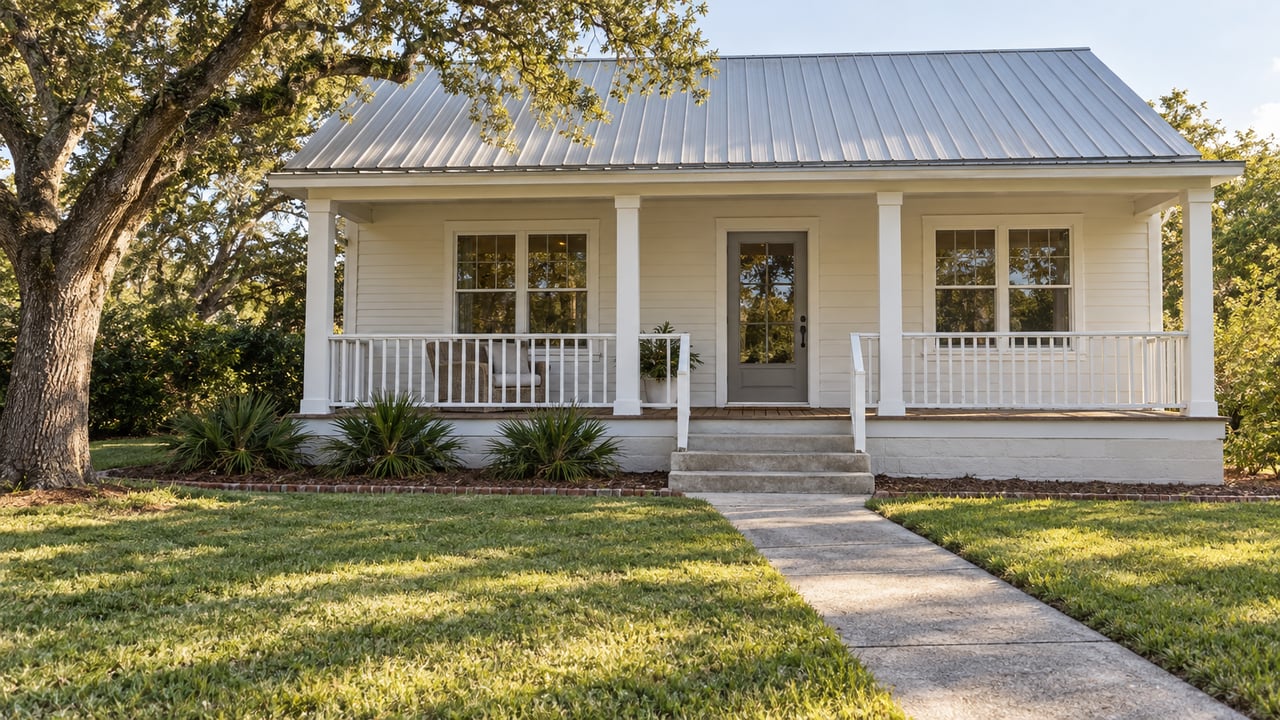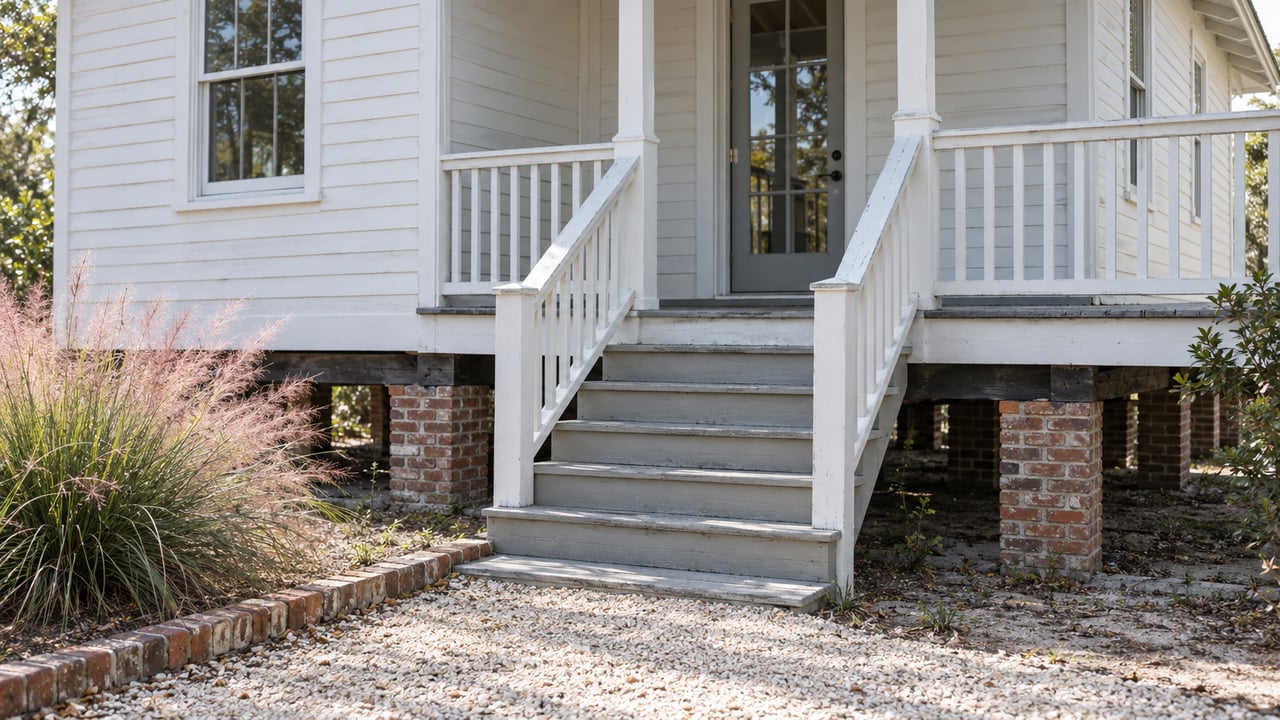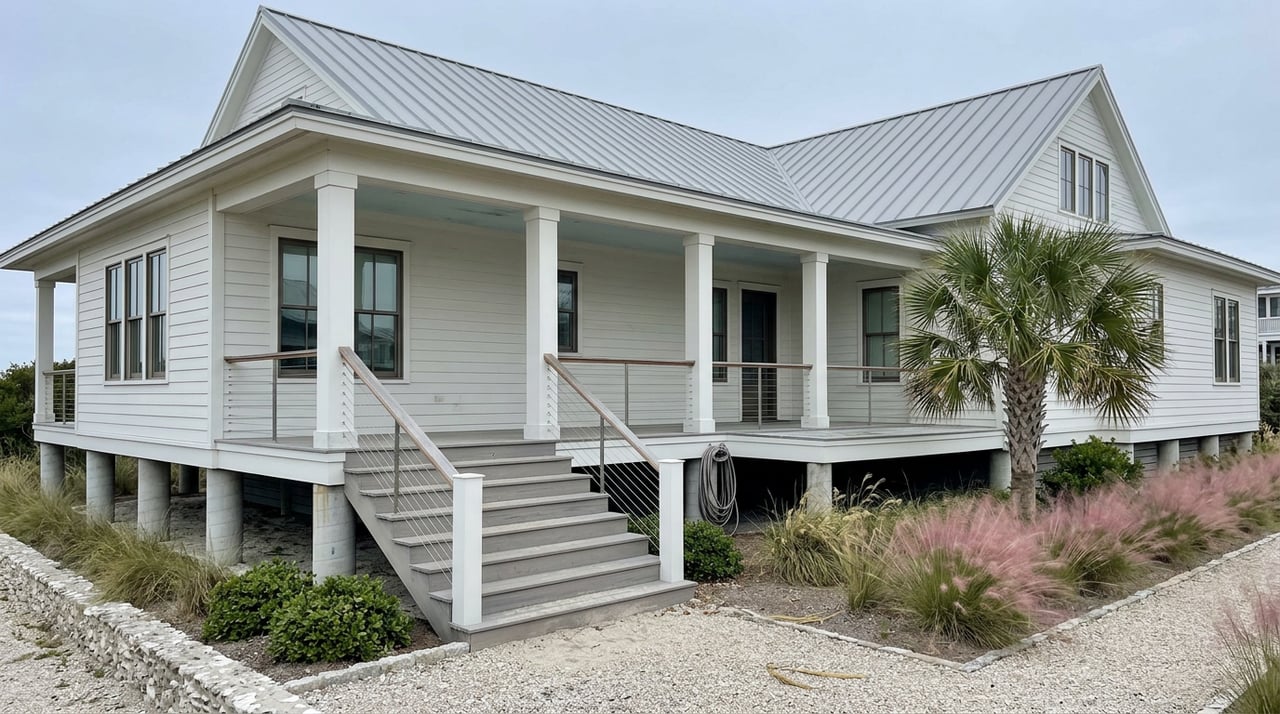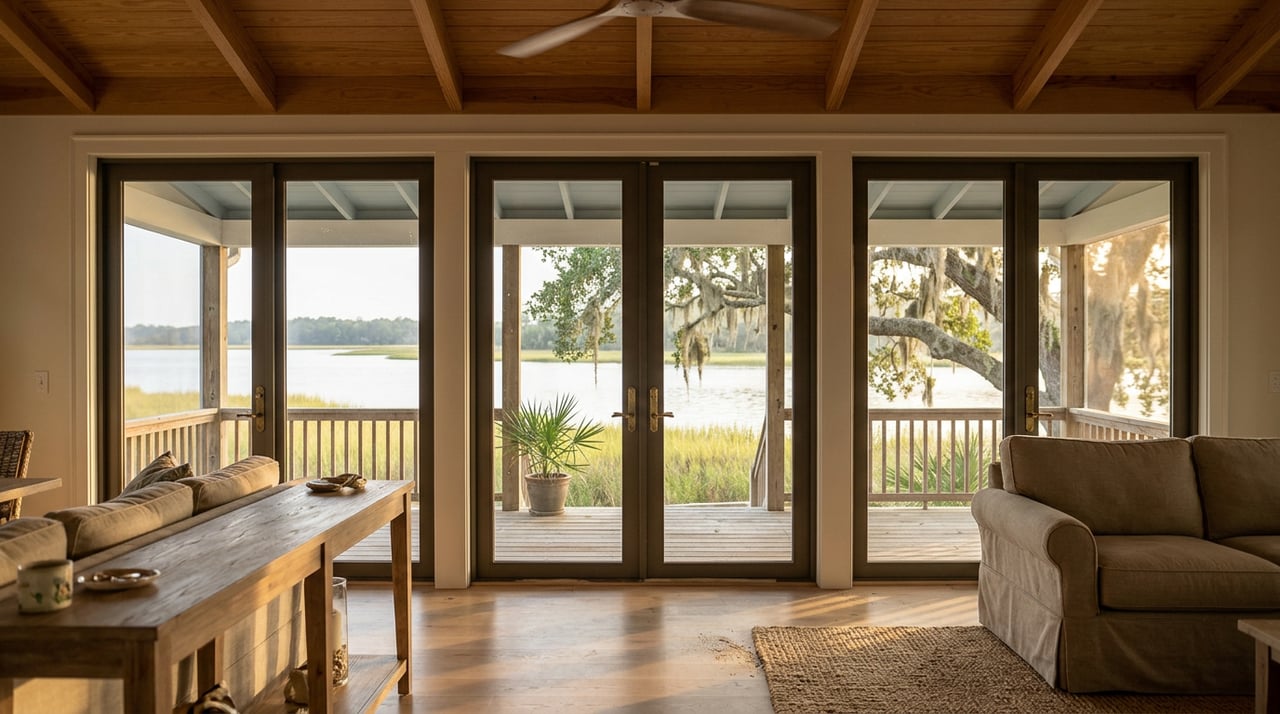
A survey on a waterfront lot in Carrabelle will tell you exactly where your land stops. It will not tell you what you're allowed to do with the water past that line, and that gap is where most waterfront buyers here run into their first real surprise.
The lot closes. The title is clean. And then the buyer who pictured a dock and a boat lift by spring finds out that the right to build one doesn't come bundled with the deed. It comes from a separate process, with its own paperwork, its own agencies, and its own timeline that has nothing to do with the closing date.
Owning the Shoreline Isn't the Same as Owning the Water
Florida law draws a hard line between the land you buy and the water in front of it. Riparian rights, the legal rights that let a waterfront owner reach and use the adjacent water, only attach if your property actually reaches the mean high-water line in tidal areas. If there's any separation between your lot and the water, those rights may not apply at all.
Even when they do apply, they're narrower than most buyers assume. Florida limits riparian rights to land bordering waters that were navigable at statehood in 1845, and the rights don't extend to artificially created waterbodies. The state, not the property owner, holds title to the submerged land itself under Chapter 253 of the Florida Statutes. That means a waterfront owner in Carrabelle who wants to put a structure into the Carrabelle River or St. George Sound is asking permission to build on land the state already owns.
This is the part that catches people off guard. A lot can be waterfront in every sense that matters for a listing photo and still require a formal riparian rights determination before a dock permit will even be considered.
The Dock Permit Has Its Own Requirements, Separate From the Sale
Franklin County requires Planning and Zoning approval for both residential and commercial docks, and the application itself spells out conditions that have nothing to do with what a buyer negotiated in a purchase contract. Unless the dock will sit at least 25 feet from the existing property lines, the application must include a survey from a professional surveyor establishing where the riparian rights lines actually fall. On a canal, a dock is capped at no more than 25 percent of the canal's width, including any structure already built into it. And the lot has to be large enough to support a single-family dwelling, or be tied to one under the same ownership, unless the owner successfully applies for a hardship variance through the Board of Adjustment.
One case that moved through the county's review process shows how granular this gets even for a straightforward residential request. A dock application for a lot on River Road in the Carrabelle River Subdivision, a modest walkway with a covered boatlift and finger piers, still required a professional survey confirming the riparian line, county Planning and Zoning sign-off, and a federal permit contingency before the applicant could move forward. That's the review a small backyard dock goes through. Anything larger or closer to a shared property line takes longer, not less.
Beyond the county, anything touching submerged land typically needs review from the Florida Department of Environmental Protection, and in many cases the U.S. Army Corps of Engineers as well. These aren't optional extra steps for larger projects. They're standard layers that sit on top of the local approval, and they run on their own timelines.
The Seawall Question Is a Different Problem, and an Older One
If the property already has a seawall, the question shifts from permitting to condition, and condition is often harder to verify than a buyer expects. Seawalls along this stretch of coast are generally built to a design life of 30 to 40 years, and a structure sitting at or past that age isn't unusual on older waterfront lots. Annual inspection is generally recommended once a wall passes the 20-year mark, along with a check after any named storm.
The permitting distinction here matters for anyone planning repairs after closing. Routine maintenance, like polyurethane injection to fill voids before they become visible cracks, typically doesn't require a permit. Structural work does. Tieback installation, cap replacement, and anything that changes the wall's footprint generally requires a Franklin County permit, and for waterfront properties along the Carrabelle River or Apalachicola Bay, it may also trigger DEP or Army Corps review, the same layered process a new dock would face.
A seawall that looks solid in listing photos can still be well into its service life with no public record of a recent inspection. That's not a defect disclosure question so much as a maintenance and permitting question, and it's one worth raising before the inspection period closes rather than after.
What This Means Before You Write an Offer
None of this makes waterfront property in Carrabelle a bad purchase. It means the timeline for actually using the water often runs on a separate clock from the timeline for buying the land. A buyer who wants a dock in the water by a specific date should build that separately reviewed process into their plans rather than assuming it happens automatically once the deed records.
Before writing an offer on a waterfront lot or home here, it's worth asking the seller directly:
- Does an existing dock or seawall have a permit on file with the county, and is there a copy available
- If there's a seawall, when was it last inspected, and has it been checked since the most recent named storm
- If there's no existing dock, has anyone completed a riparian rights survey for the property
- Are there any pending or expired permit applications tied to the property
A seller with clean answers to these questions has usually already done the harder part of the work. A seller without them isn't necessarily hiding a problem, but the buyer should expect the dock or seawall timeline to start from zero rather than picking up where the previous owner left off. Unpermitted work carries its own risk regardless of who did it, since counties can require removal or hold up a future sale over structures that were never properly approved.
A Few Questions Worth Asking First
Does buying a waterfront lot in Carrabelle automatically include the right to build a dock? No. The lot conveys the land to the water's edge. The right to build into the water is a separate approval that depends on riparian rights, lot configuration, and county and state review.
How long does dock or seawall permitting typically take once an application is complete? Franklin County's stated processing window for a complete seawall or riprap application is 3 to 5 business days at the county level. That timeline doesn't include state or federal review, which can add weeks or months depending on the project and whether the site touches submerged land.
If a seawall already exists, does that mean it's already permitted for the life of the structure? Not necessarily. The original construction permit doesn't cover future structural repairs. Tieback work, cap replacement, and similar structural fixes typically require a new permit, separate from whatever allowed the wall to be built decades earlier.
Waterfront ownership on the Forgotten Coast is still one of the more direct paths to real water access in Florida, without the density that comes with it in bigger markets. Understanding where the deed's authority ends and the permitting process begins just means fewer surprises between the closing table and the first afternoon on the dock.
If you're weighing a waterfront property in Carrabelle, or anywhere else along this stretch of coast, The Burkett Team - Coastal Realty Group can walk through what a specific lot's history looks like and what to confirm before you write an offer. Contact us when you're ready to take a closer look.